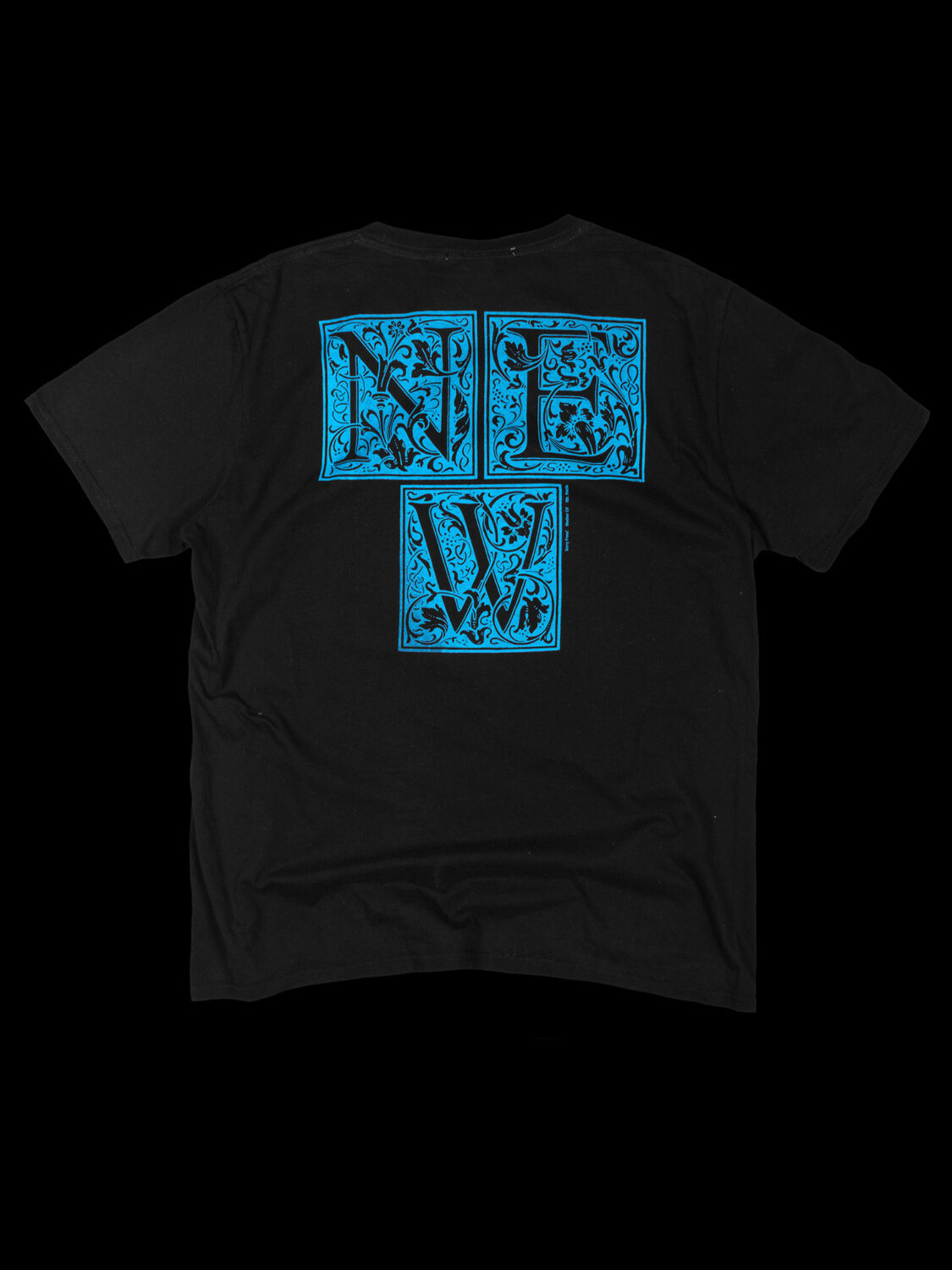
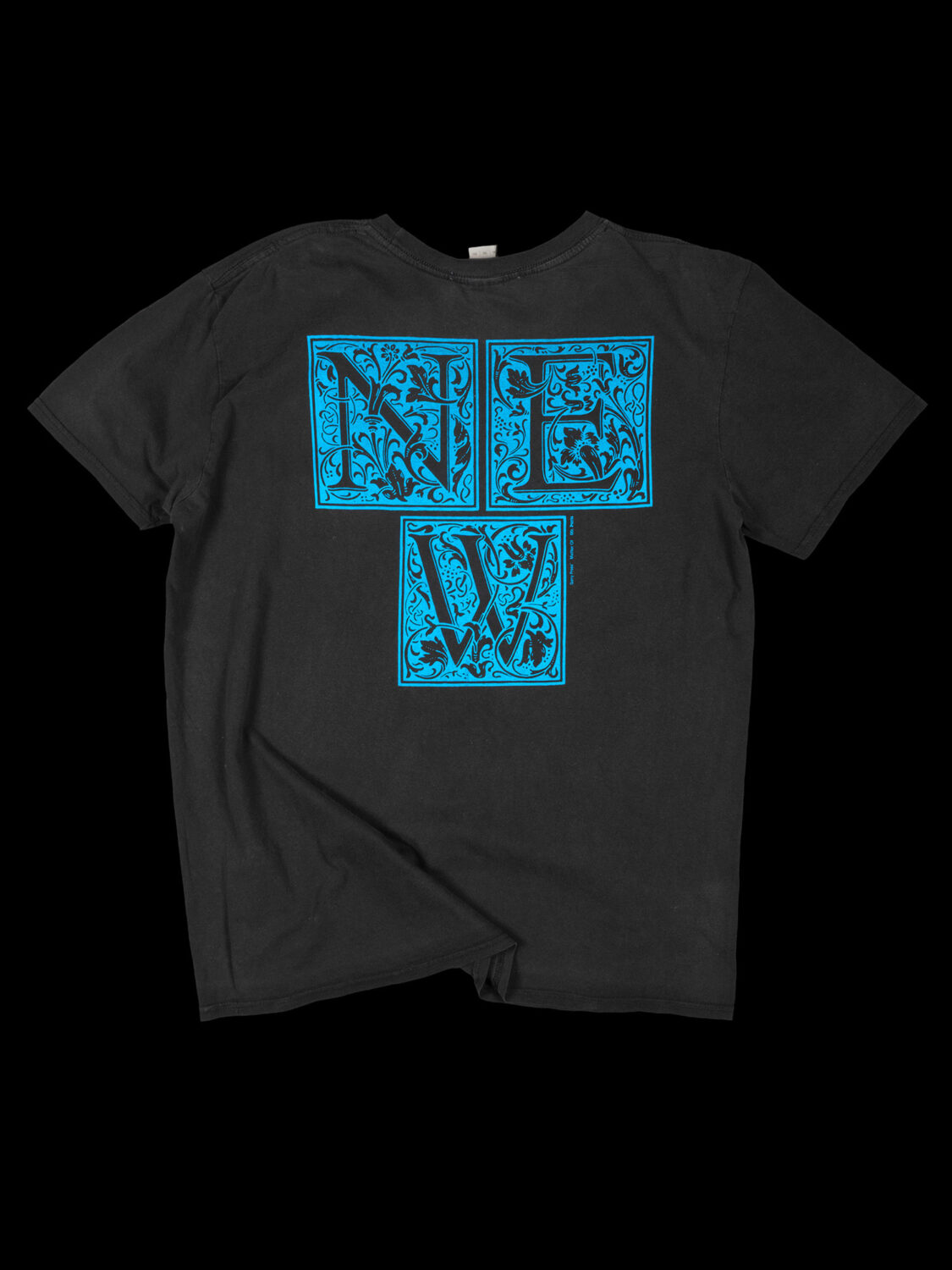
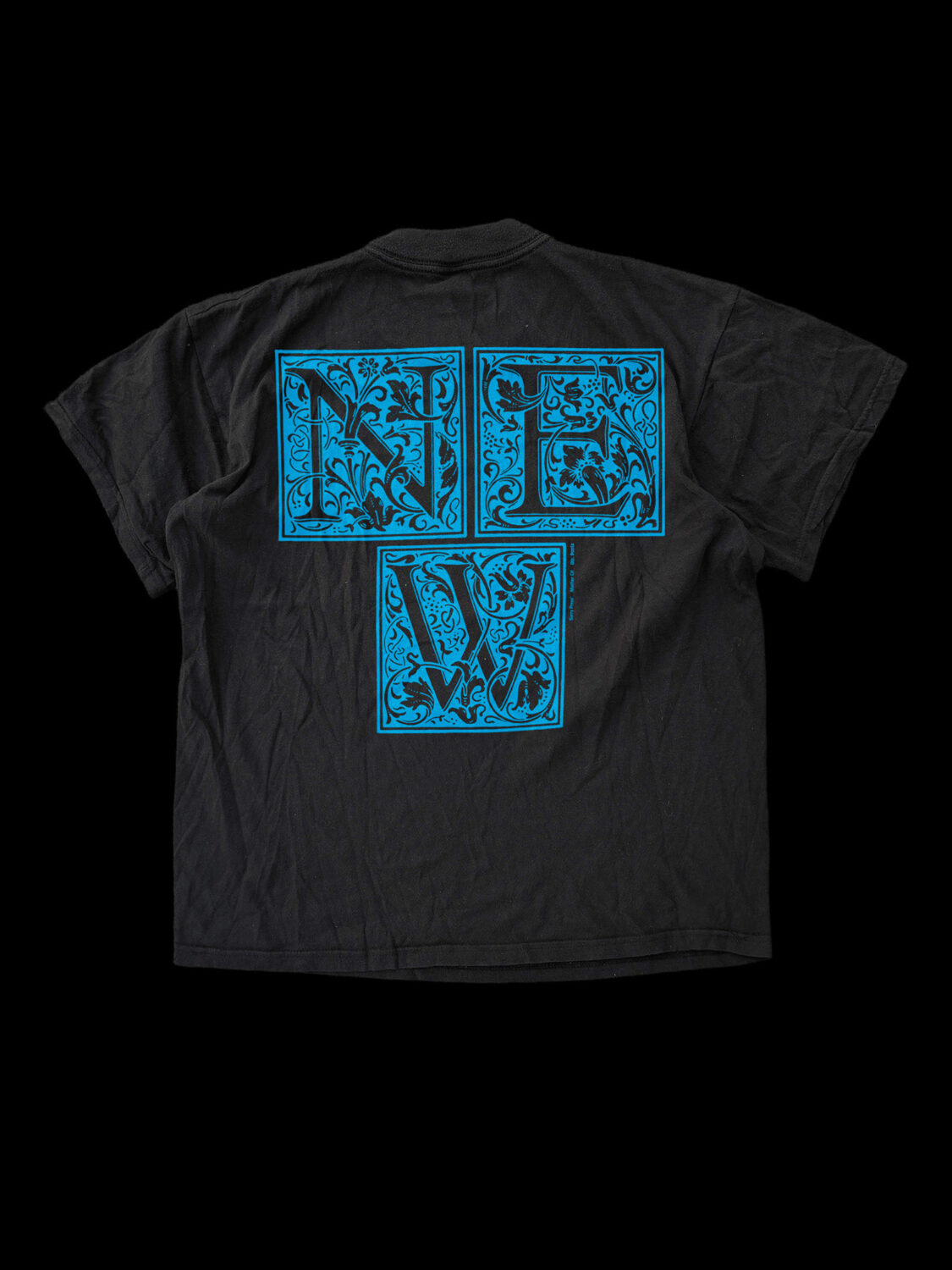
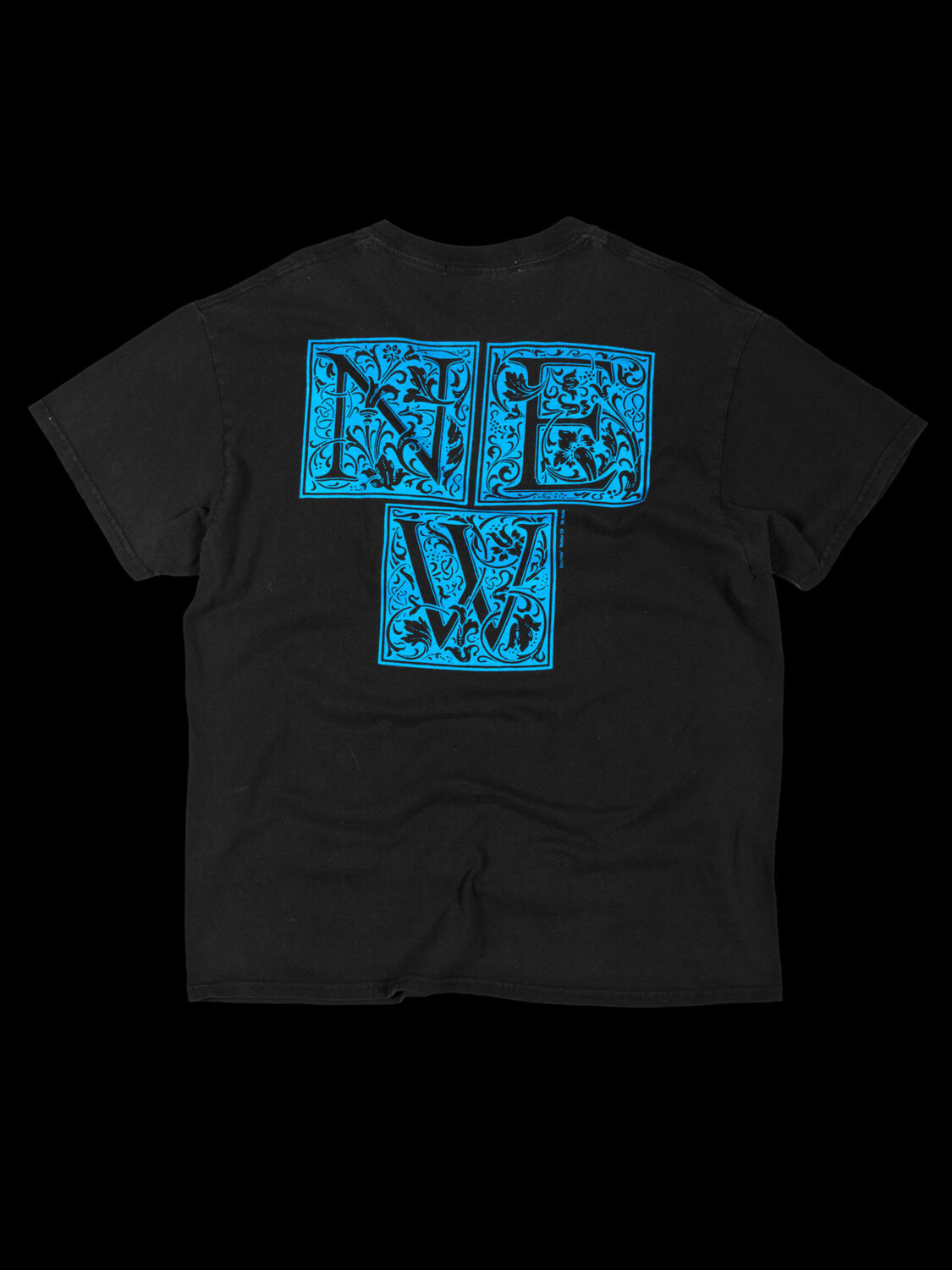
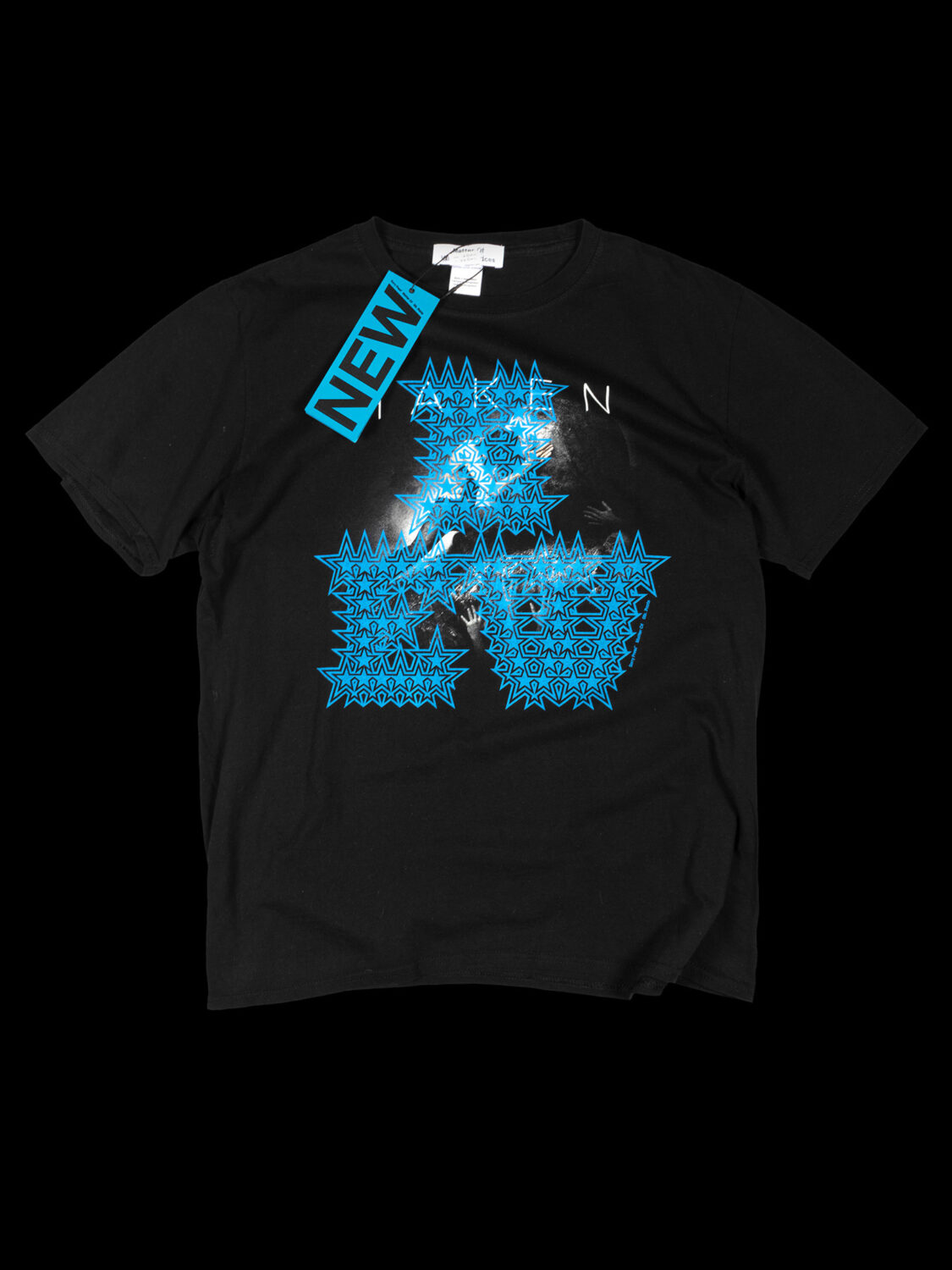
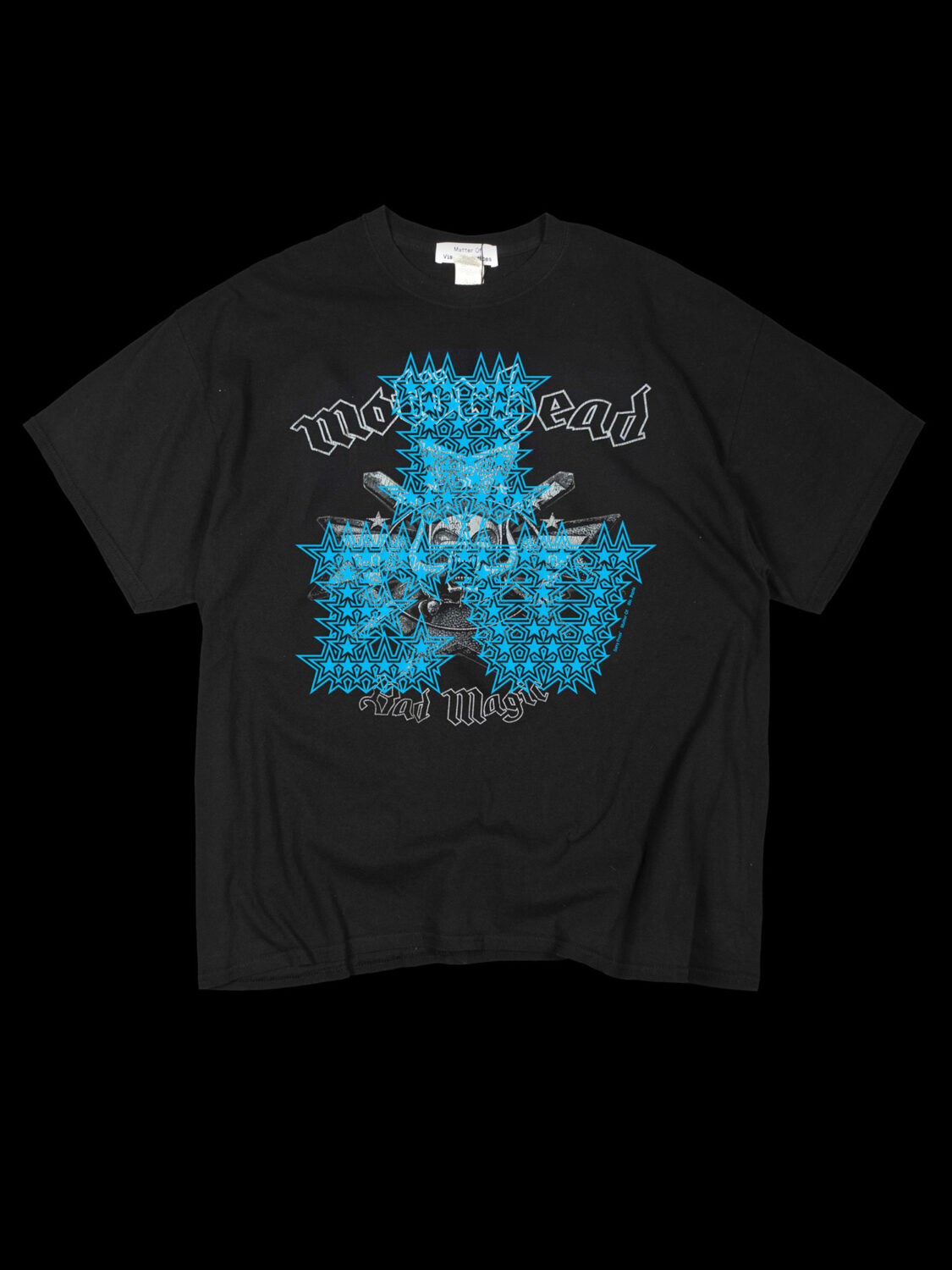
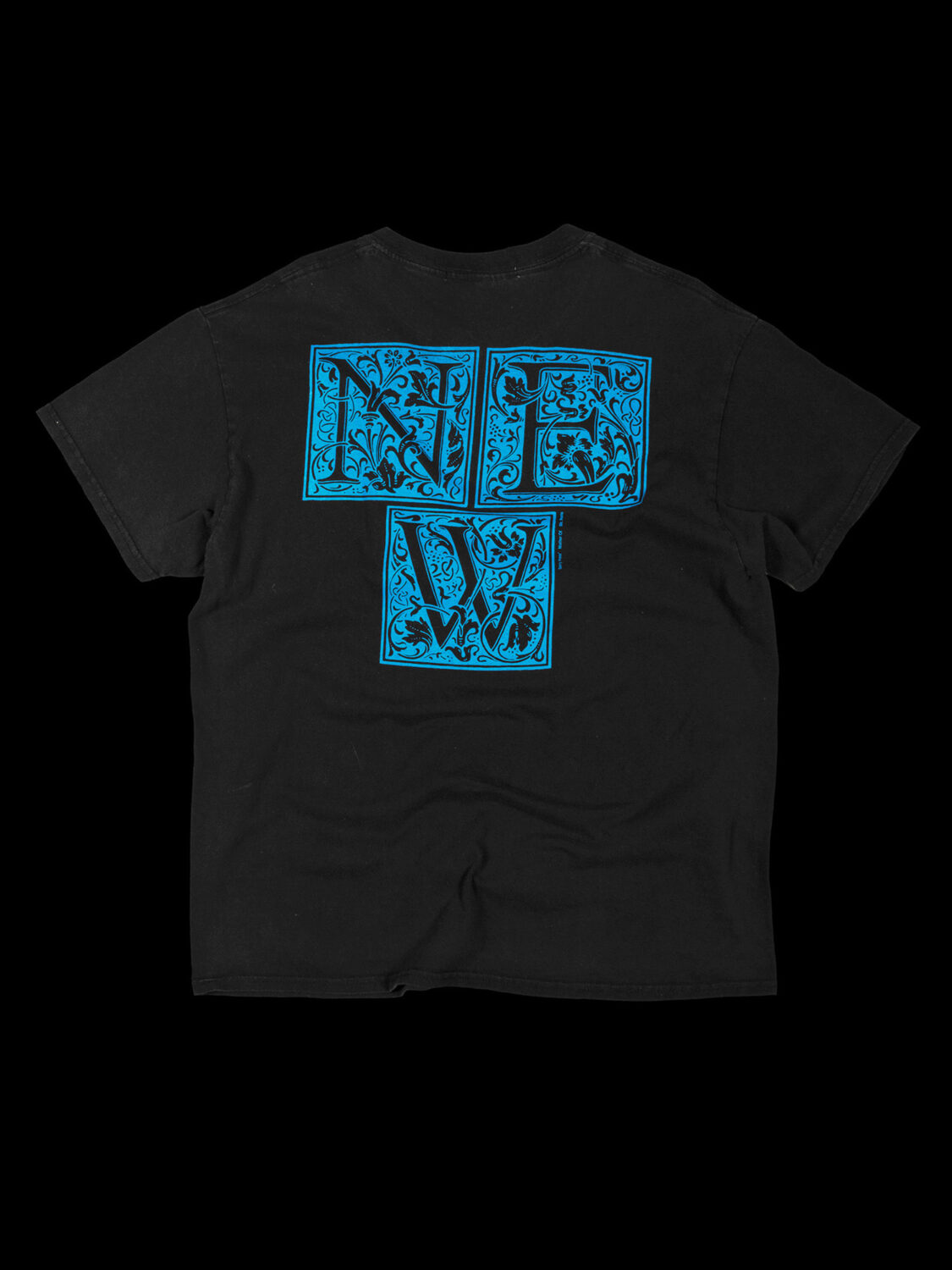
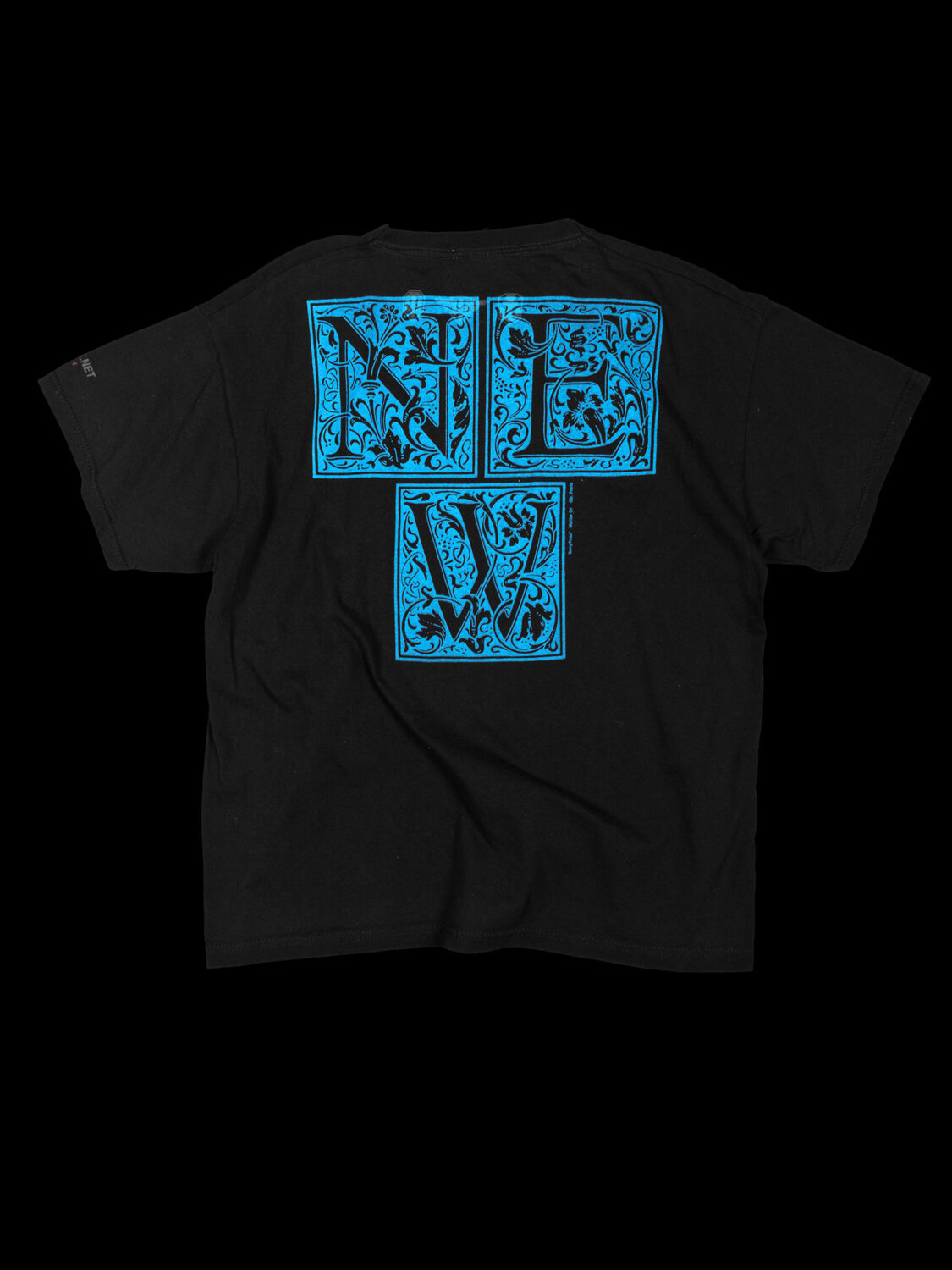
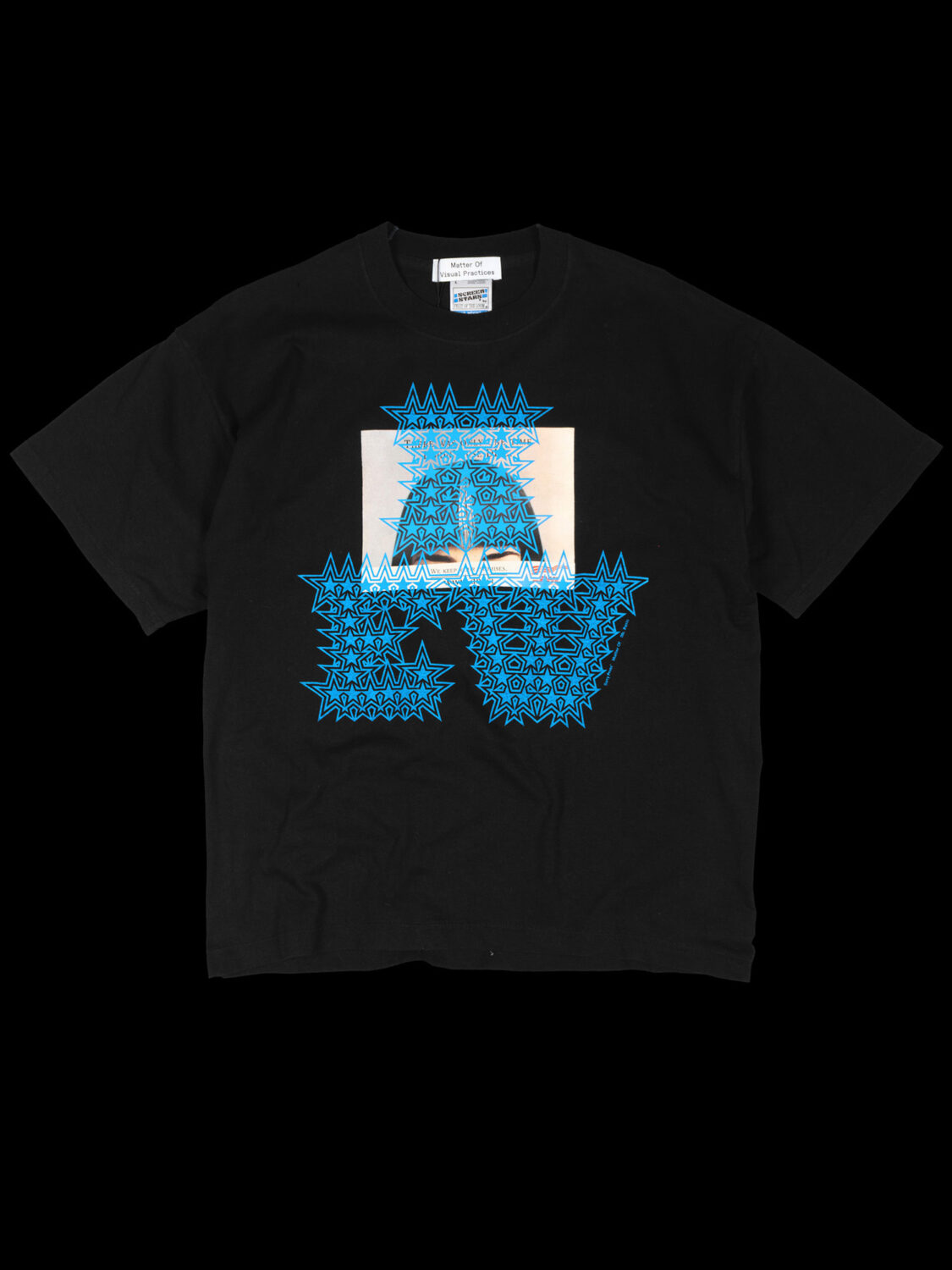
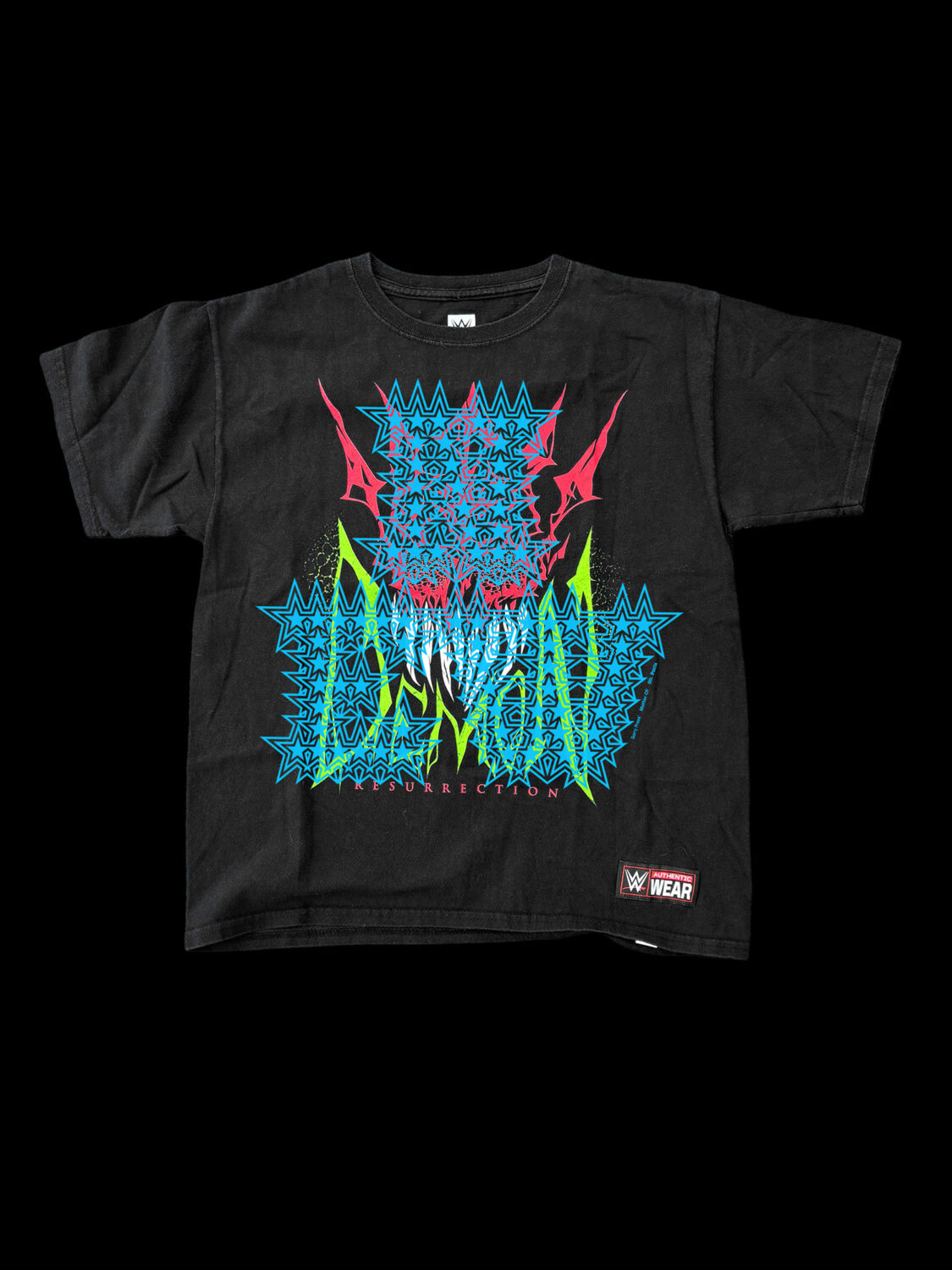
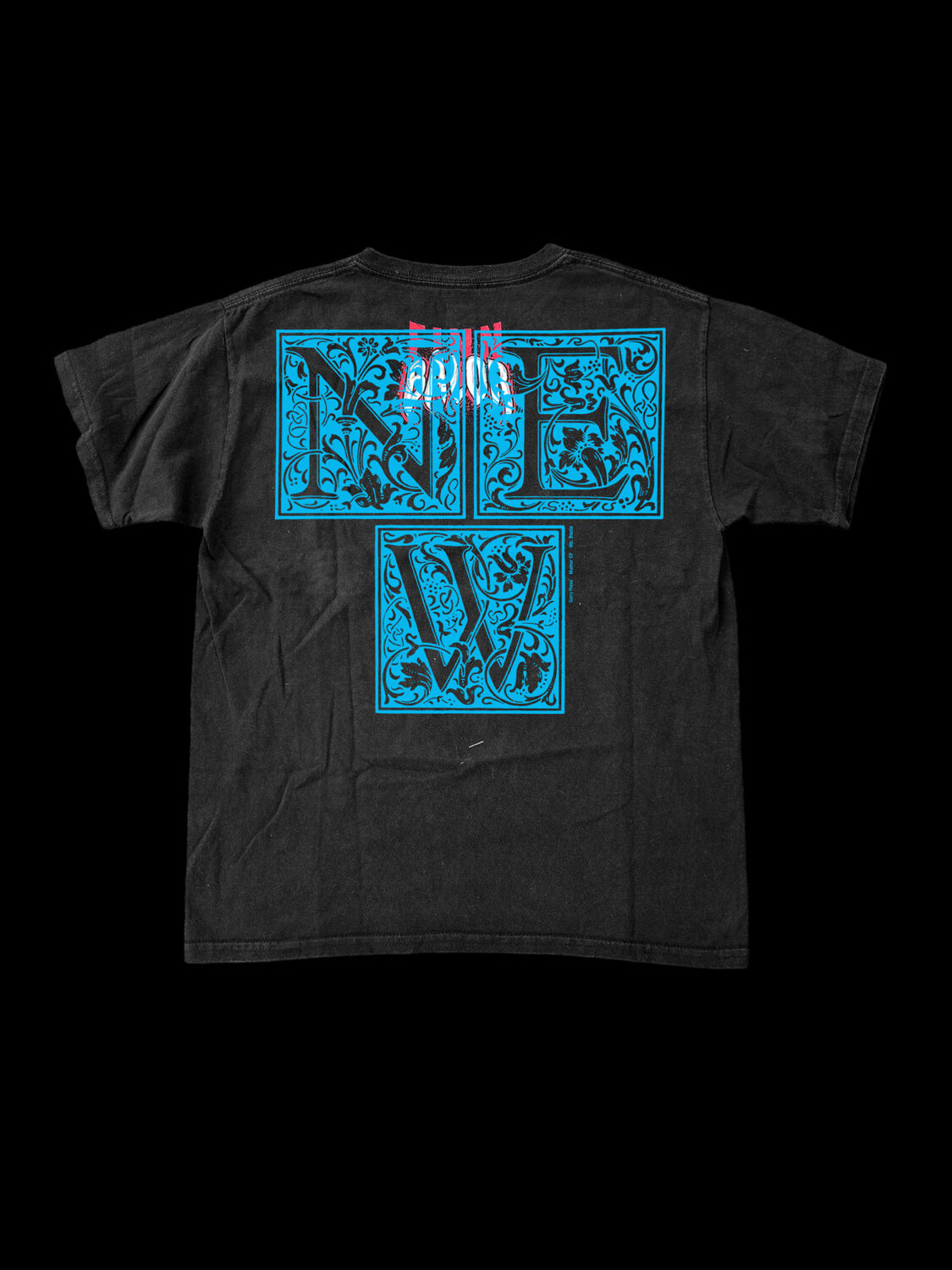
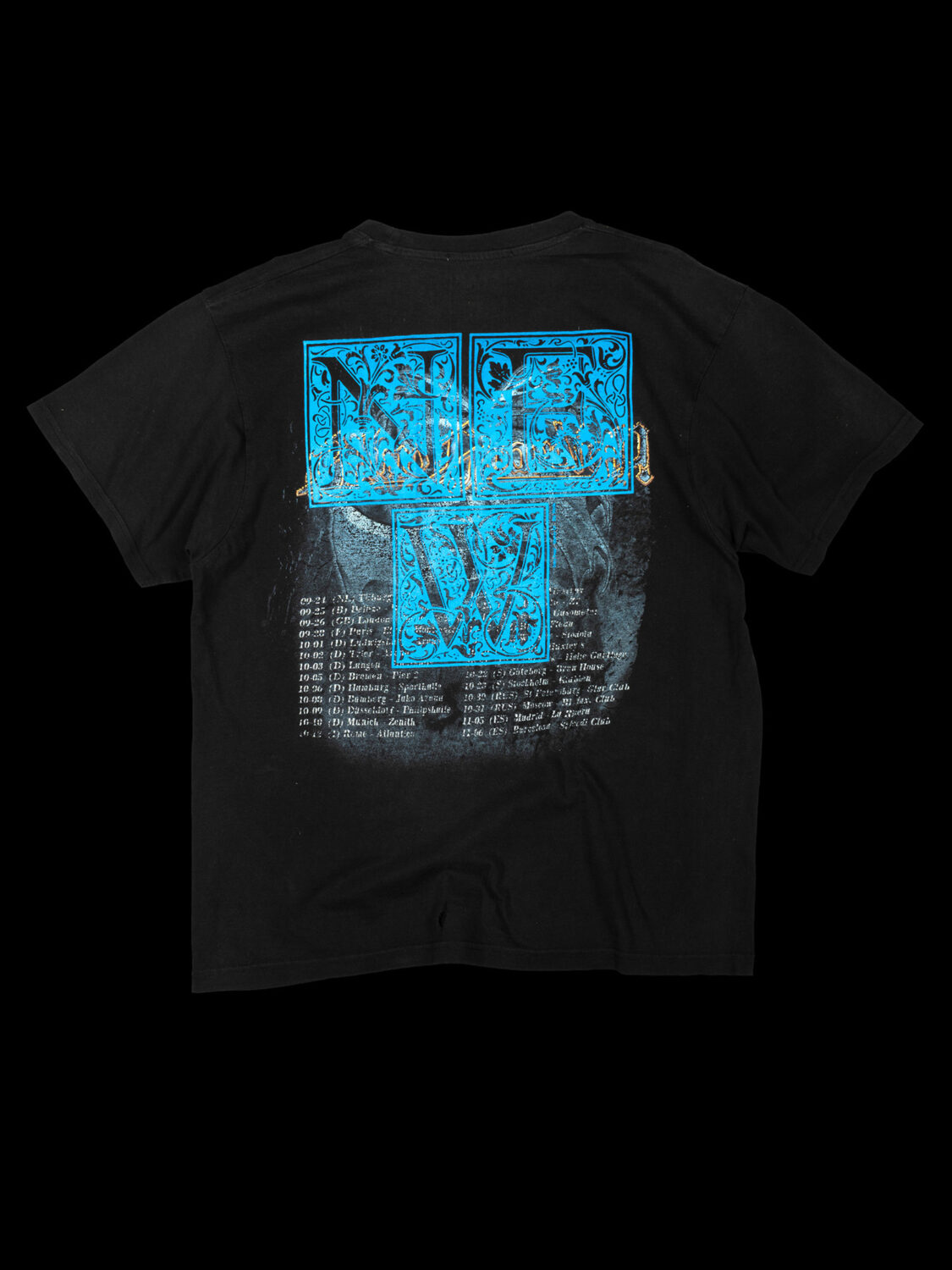
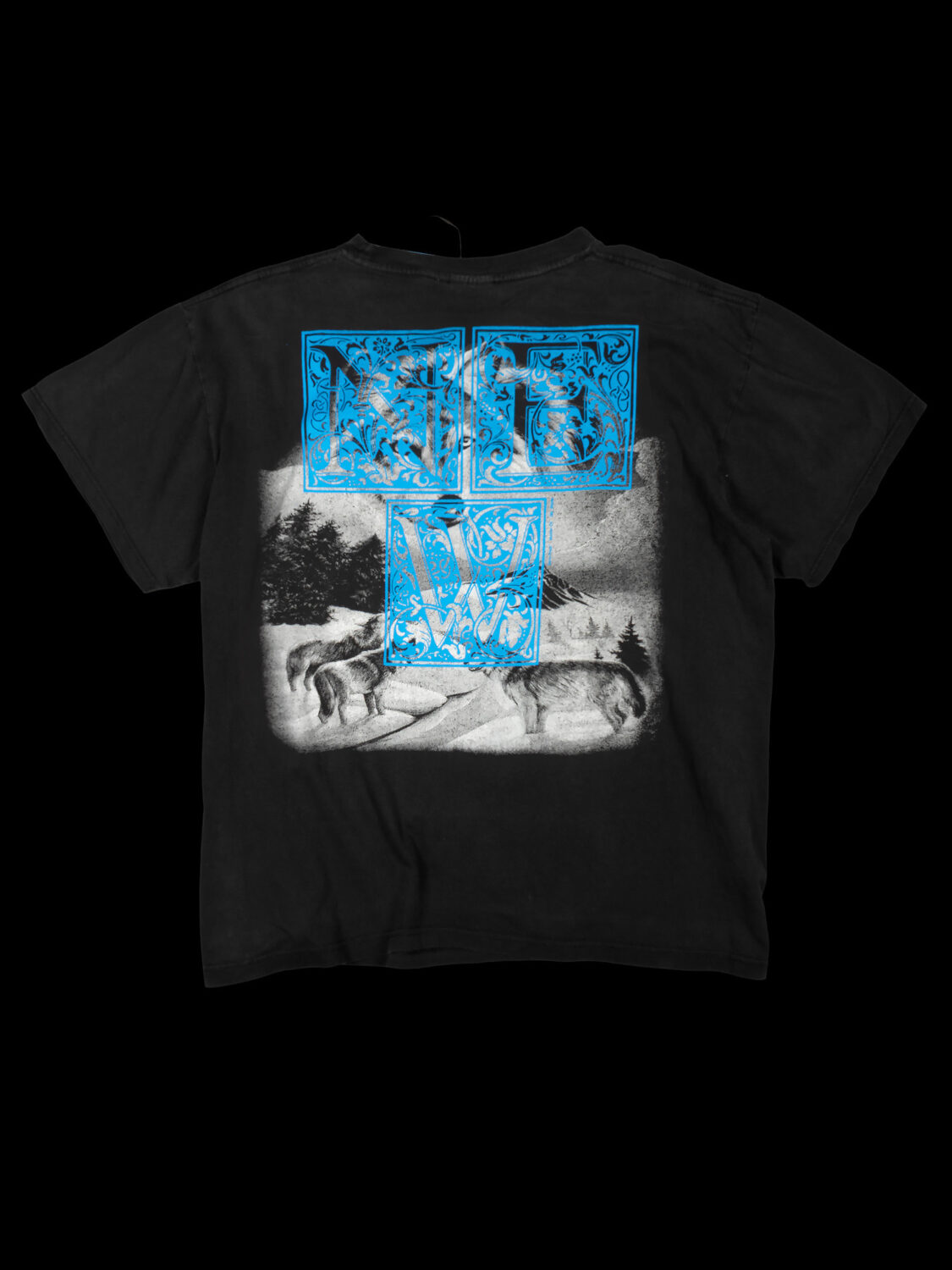
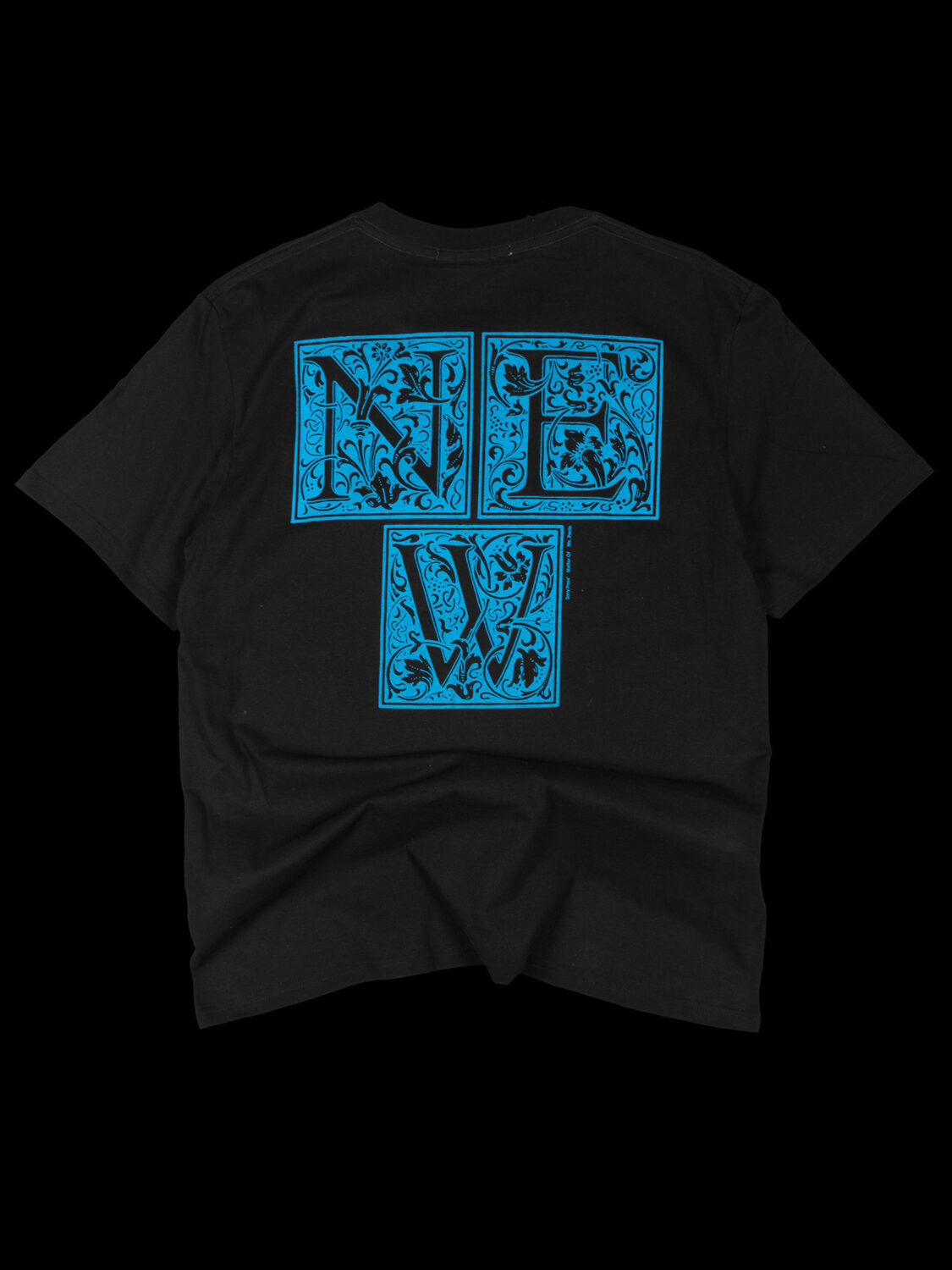
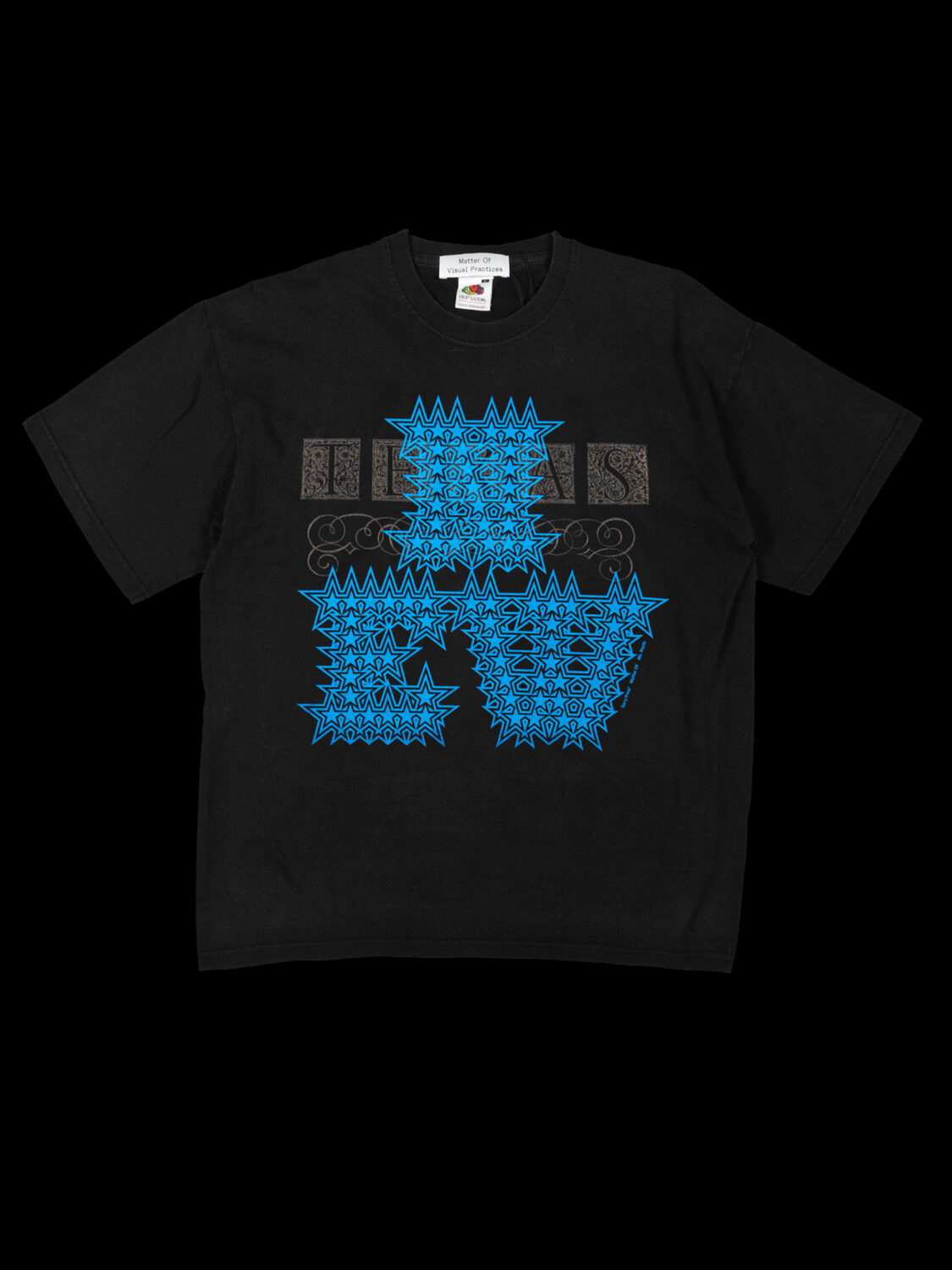
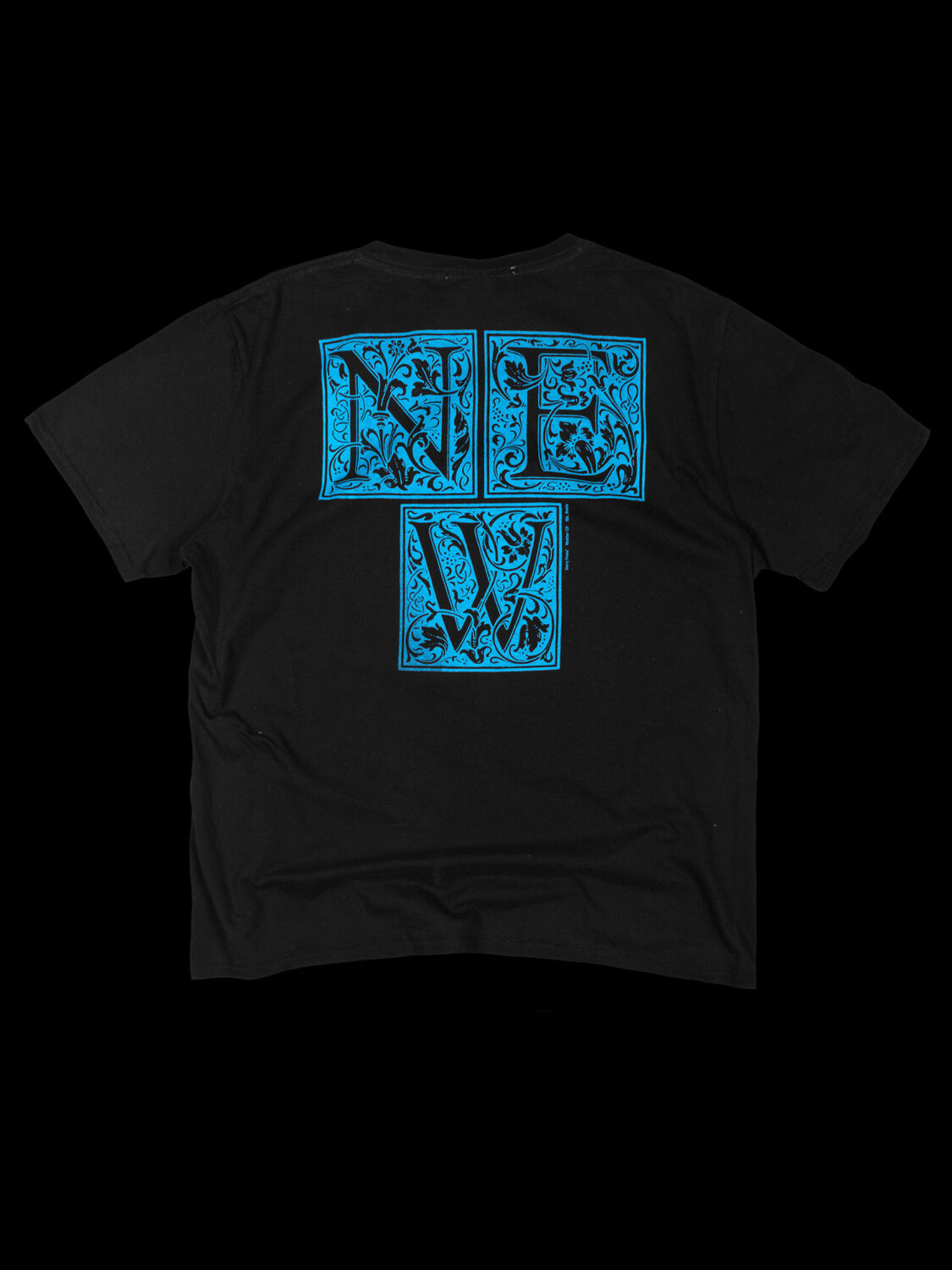
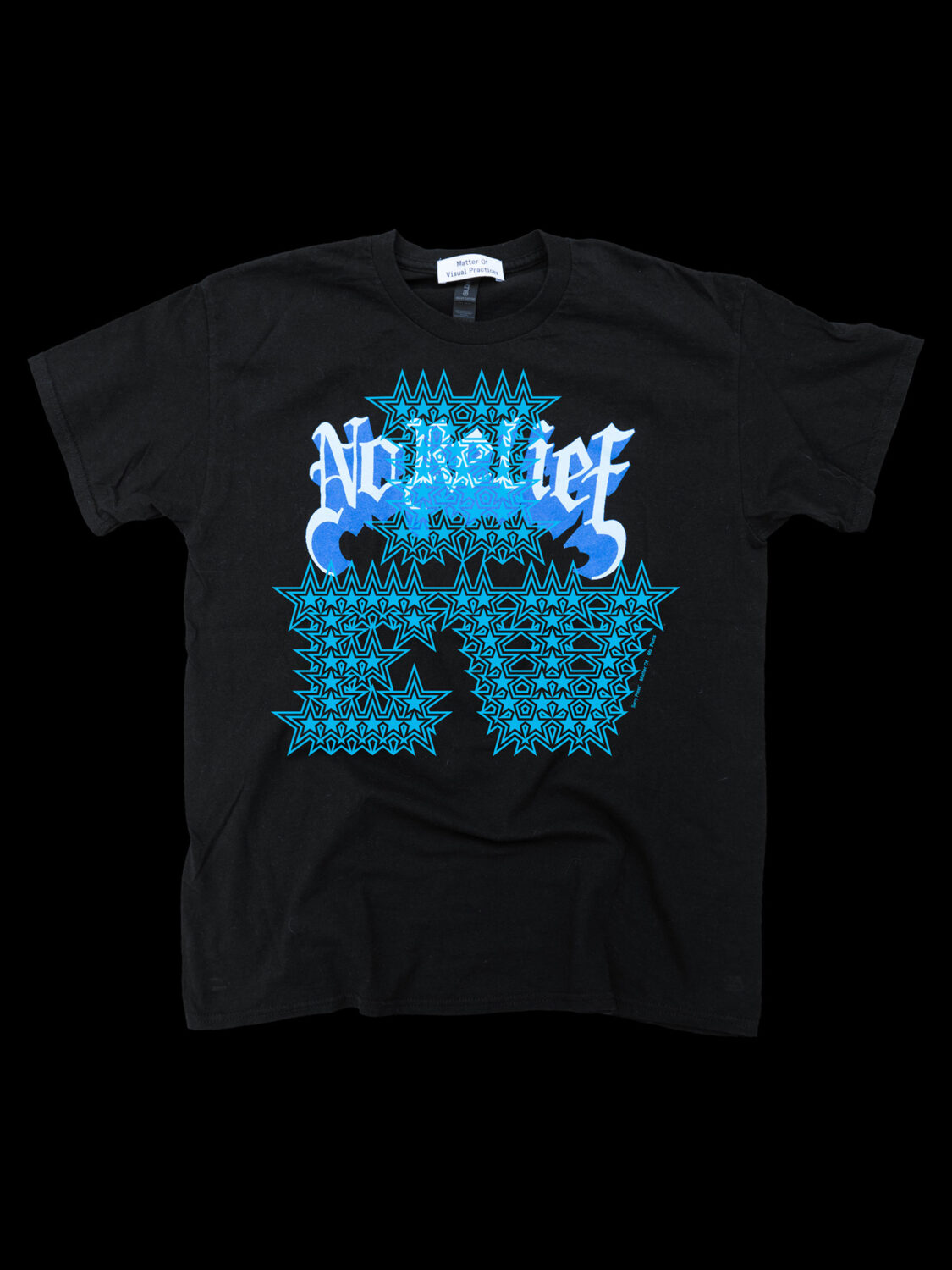
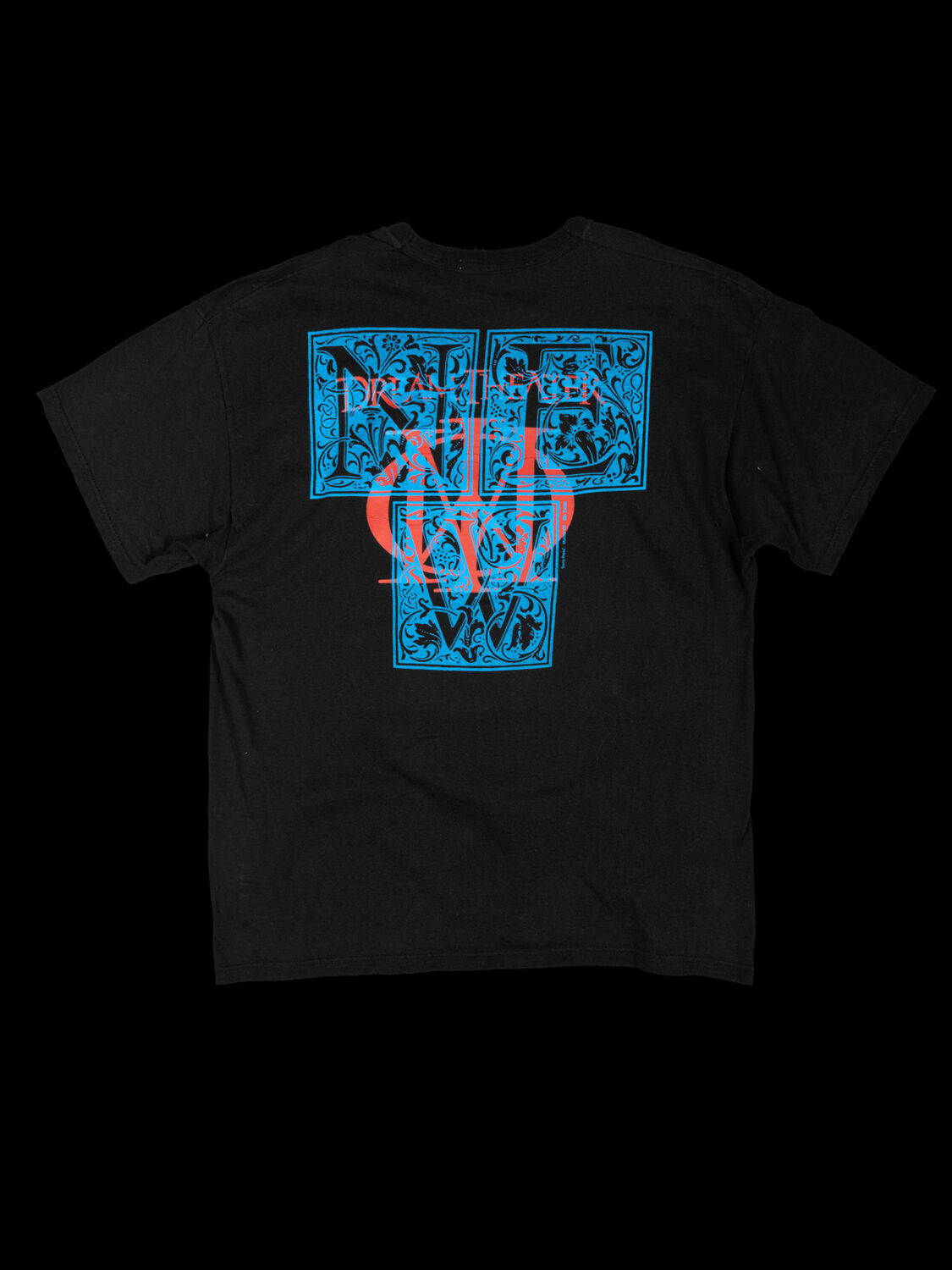
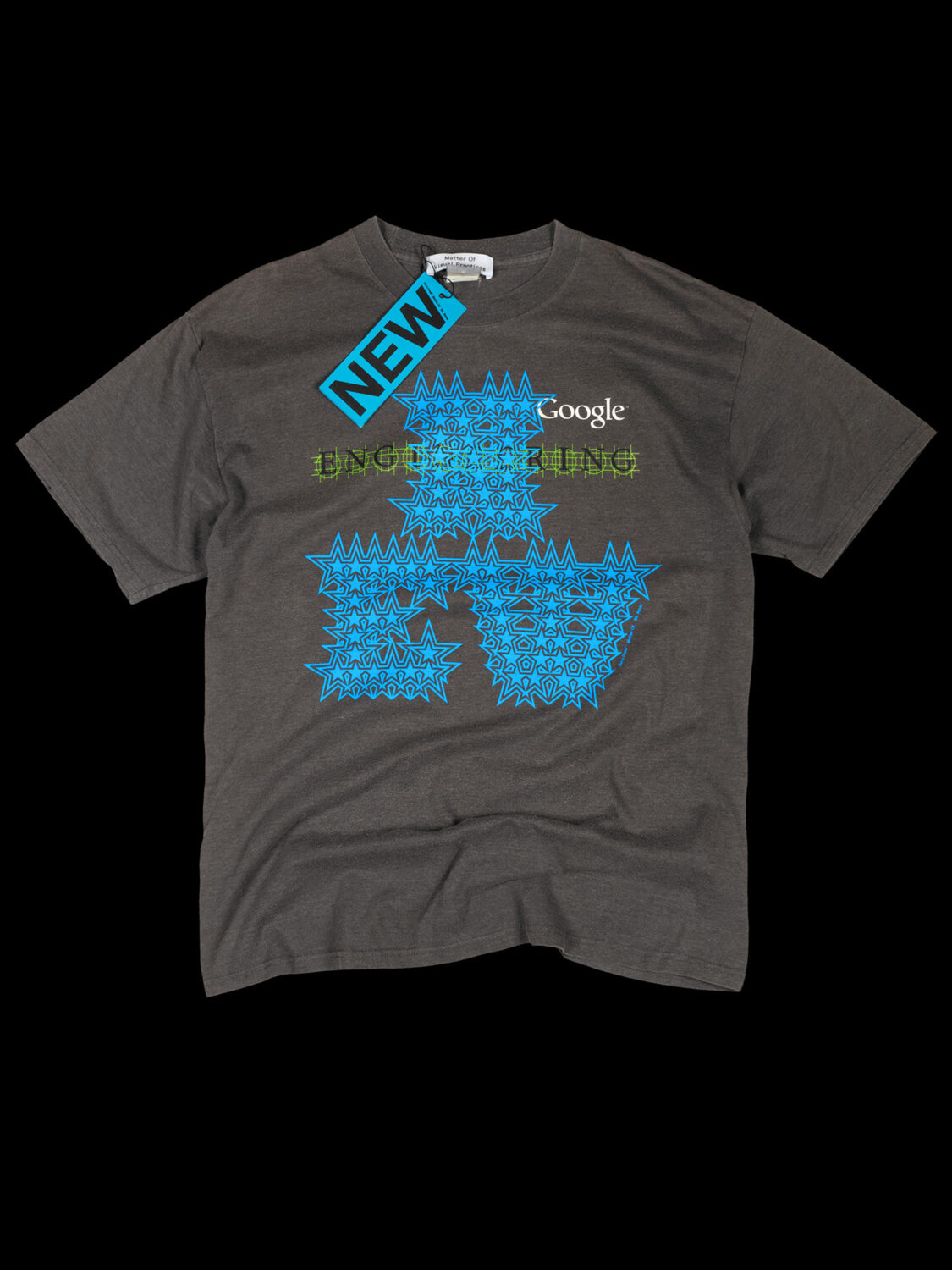
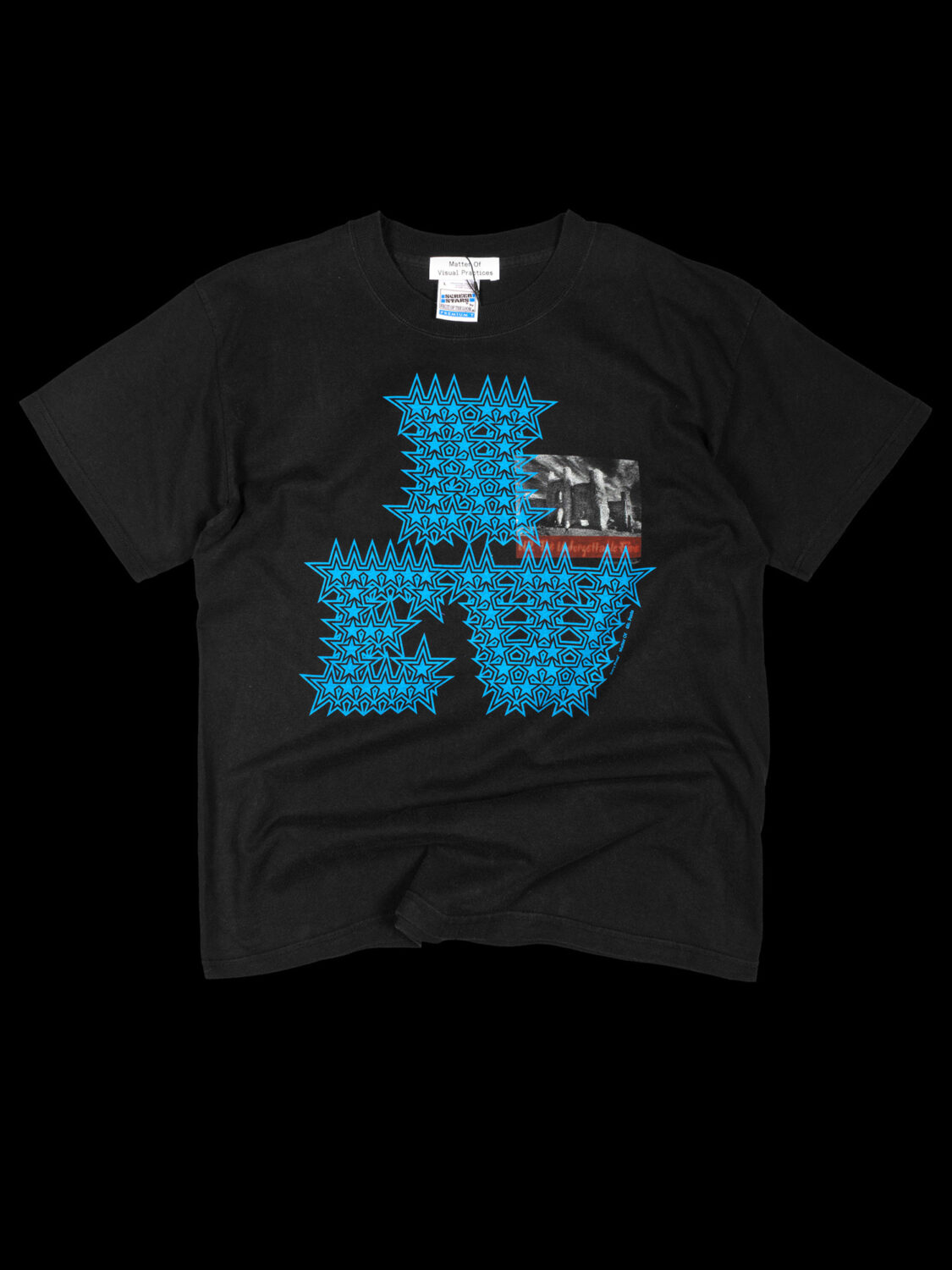
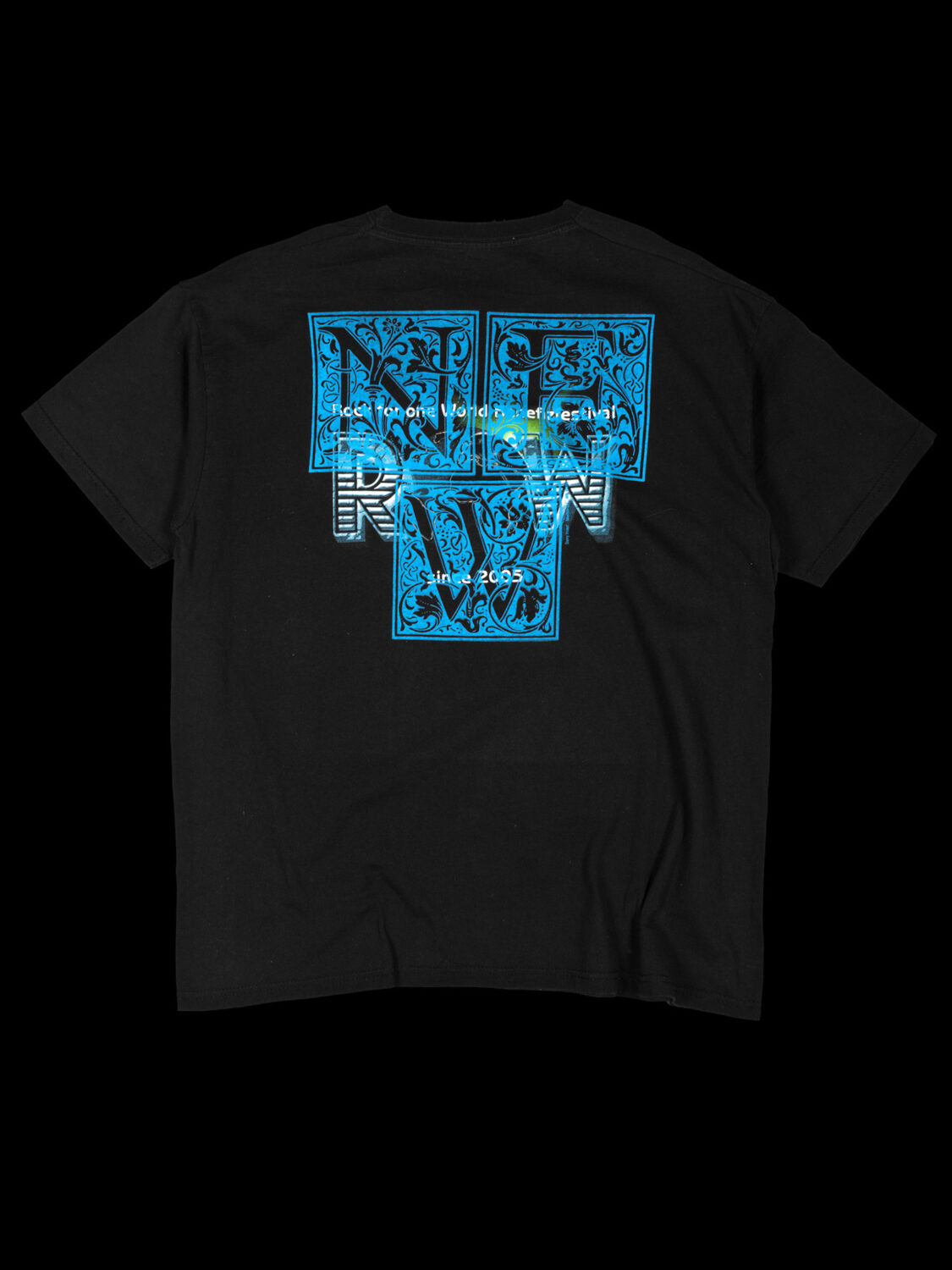
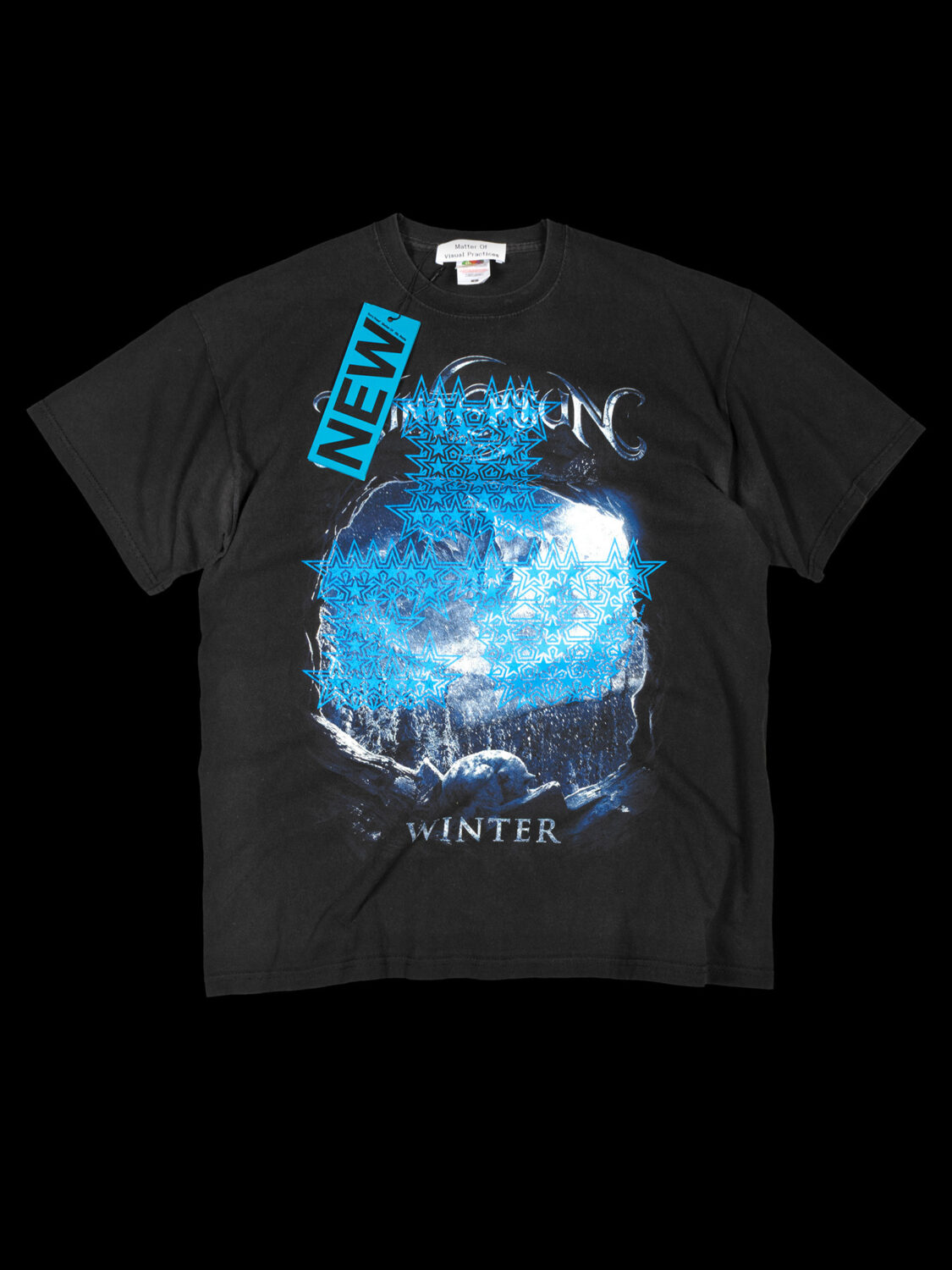
As an opening to his book The New Typography, the famous German typographer Jan Tschichold paraphrases Piet Mondrian: »At every point in the past, all variations of the old were ‘new,’ but it was not ‘THE’ New. We must not forget that we are at a turning point in culture, at the end of all that is old. The separation takes place here absolutely and definitively.« What emerges here is a modernist act of boundary-drawing that proclaims a linear logic of progress and radical innovation. Tschichold therefore had to define an old typography from which he could distinguish his new one. Old and new stand in a binary relationship, one that implies a hierarchy in which the new is better. Could a New New Typography ask not merely for the »newest,« but rather how we might critically connect and think through the many forms of »newness« that emerge across different times and places?